
Clear Methods That Improve Plan Accuracy and Reduce Costly Design Errors
Accurate plans guide every step of a building project. They help crews work faster and avoid mistakes. They also support permits, budgets, and inspections. When drawings miss details, projects slow down. Costs grow. Good techniques reduce these risks. They bring clarity to measurements, scale, and layout. They also help teams share the same vision. This guide explains proven methods that improve plan accuracy. It focuses on clear steps, common problems, and real fixes you can use.
Why Accuracy Matters in Building Plans
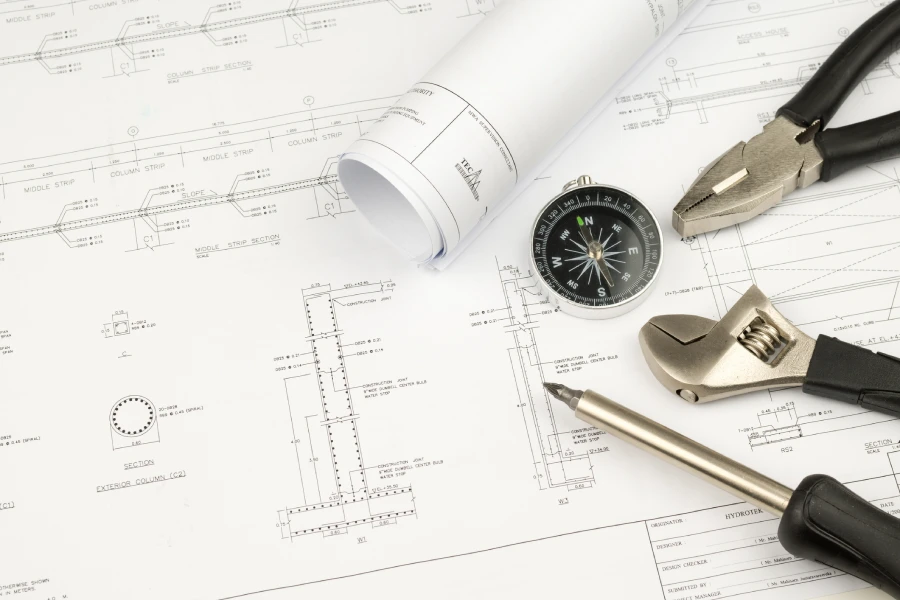
Accurate plans protect time and money. Errors often lead to rework and delays. Studies show most construction defects link to unclear drawings. In architectural drafting, precision keeps walls aligned and systems coordinated. Clear dimensions help crews avoid clashes. Proper notes guide material choices. When plans are accurate, inspections move faster. You also gain trust with builders and clients. Accuracy supports safety, code approval, and long-term performance.
Core Benefits You Gain From Precise Drawings
Precise drawings create smooth projects. Architectural drafting supports clear intent and reduces guesswork. You benefit from better bids and fewer change orders. Accurate plans also support energy goals and space use. Designers can test ideas before work begins. Builders get clear instructions they can follow. This saves money over the full project life cycle.
- Lower risk of construction errors
- More accurate cost estimates
- Faster permit approval
- Improved team coordination
Common Drafting Problems That Cause Delays
Many plans fail due to simple issues. Scales may not match across sheets. Dimensions might conflict. Notes can be vague or missing. These problems confuse builders. They also cause site questions and stoppages. Poor line weight can hide key details. Inconsistent symbols slow review. Each error increases cost and stress.
- Pros: detailed plans reduce questions and rework
- Cons: rushed drawings increase errors and site changes
Step by Step Methods to Improve Plan Accuracy
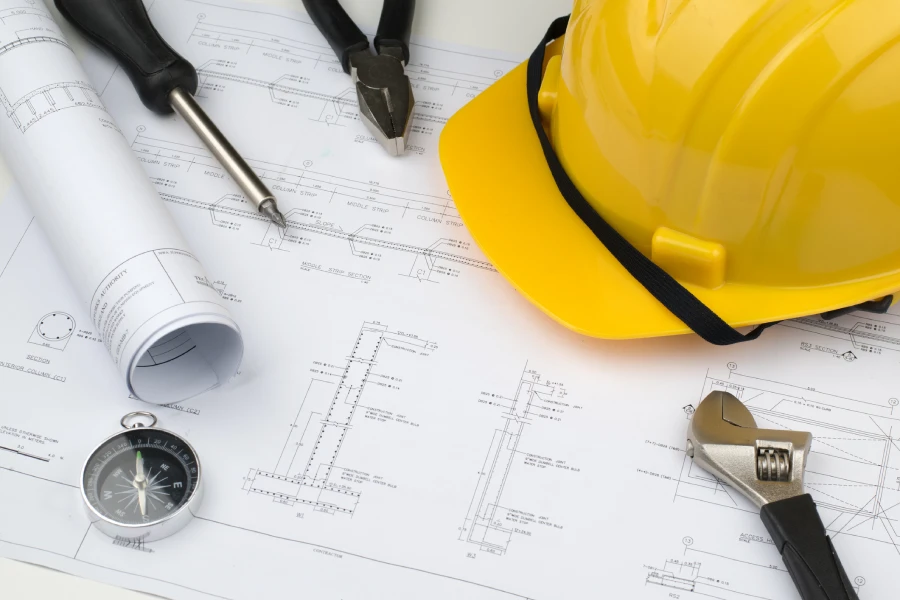
A clear process improves results. Start with verified site data. Check zoning and codes early. Set drawing standards before drafting begins. Review often and revise as needed. Use layered checks to catch errors before issue.
- Confirm site measurements and contours
- Set scale, units, and sheet standards
- Draft primary layouts and sections
- Coordinate structure and systems
- Review using peer checks
- Finalize and issue controlled sets
Best Practices Used by Experienced Designers
Consistent habits raise quality. Use clear line weights to show depth. Keep text readable at print scale. Align dimensions to reference points. Add notes where drawings alone may confuse. Save versions to track changes. These habits reduce mistakes and support teamwork.
- Use standard symbols and legends
- Keep layers named and organized
- Run clash checks across disciplines
- Print test sheets before final issue
Industry Standards and Code Requirements
Plans must meet local codes and industry rules. Building codes define sizes and clearances. Accessibility standards guide layouts. Energy codes affect wall and window details. Many regions require stamped drawings. Following standards avoids rejections. It also protects safety and legal compliance.
Cost Factors and Long Term Value
Quality drafting costs less over time. Upfront effort prevents change orders. Clear plans reduce labor waste. They also shorten build time. Fewer errors mean fewer claims. Accurate documents support future renovations. The return often exceeds the initial design cost.
Next Steps for Accurate and Reliable Plan Creation
Based in Jacksonville, FL, we support clients who need clear and reliable plan sets for construction success. MACC Design Studio focuses on proven drafting methods that reduce errors and speed reviews. Our teams guide projects from early concepts through final issue. Call (904) 844-6481 to discuss project goals and timelines with a team that works together.